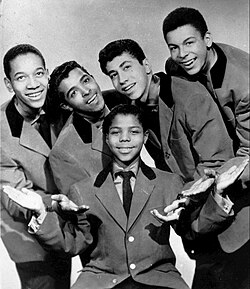
Doo-wop in the 1950’s sounded so different because it came straight out of the streets, not studios.
Back then, a lot of groups were just neighborhood kids—singing on stoops, in hallways, under streetlights—because they didn’t have instruments. So they used their voices to become the instruments. That’s where those “doo-wop,” “sh-boom,” and “ram-a-lama” sounds came from. It wasn’t written on paper—it was felt and made up on the spot. Groups like The Platters and The Drifters polished the sound later, but it started rough and real.
Another big reason was harmony. Doo-wop leaned heavily on tight vocal blending—usually a lead singer with backup voices echoing, answering, or supporting. You’d hear that deep bass singer doing those low notes, almost like a heartbeat under the song. Listen to someone like Frankie Lymon with The Teenagers—that high, youthful lead over simple harmonies gave it a totally unique feel.
It also came from a mix of cultures. African American gospel music, rhythm & blues, and even some Italian-American vocal traditions all blended together, especially in cities like New York. That mix gave doo-wop its emotional, almost church-like sound—but applied to love songs instead of hymns.
And the themes were simple—mostly about love, heartbreak, and teenage life. Nothing complicated. Just honest feelings. Songs like “Why Do Fools Fall in Love” or “In the Still of the Night” hit people because they felt personal.
By the late 1950’s and early ’60’s, things started changing. Bigger bands, electric instruments, and producers began shaping the sound more. Rock and roll started taking over, and doo-wop became more polished and less raw.
So what made 1950’s doo-wop different?
It was homemade, harmony-driven, emotional, and built from voices instead of instruments. You can almost hear the echo of a city street in every song.
I do remember the doo wop as a kid in the 1950’s and sitting on my porch on those summer nights with family and friends it brings back so many happy memories
Back then, the music wasn’t something you just listened to—it was something you shared. Somebody would start humming a tune, someone else would pick up the harmony, and before you knew it, you had a whole group singing under the streetlights. Songs by groups like The Five Satins or The Del-Vikings weren’t just hits—they were part of the neighborhood soundtrack.
You can almost hear it now… a radio playing low in the background, maybe someone fanning themselves in the heat, kids running up and down the block, and then that one voice cutting through—soft at first—starting a song everybody knows. No rush, nowhere to be. Just the night stretching out in front of you.
That’s the part people miss today. It wasn’t just the music—it was the togetherness. The way a simple song could bring everybody onto the same wavelength for a few minutes.
Those weren’t just songs… they were moments. And the fact that they still come back to you like that means they really stuck.
Little Anthony and the Imperials Photo by: Gee Records, Public domain, via Wikimedia Commons

Leave a Reply