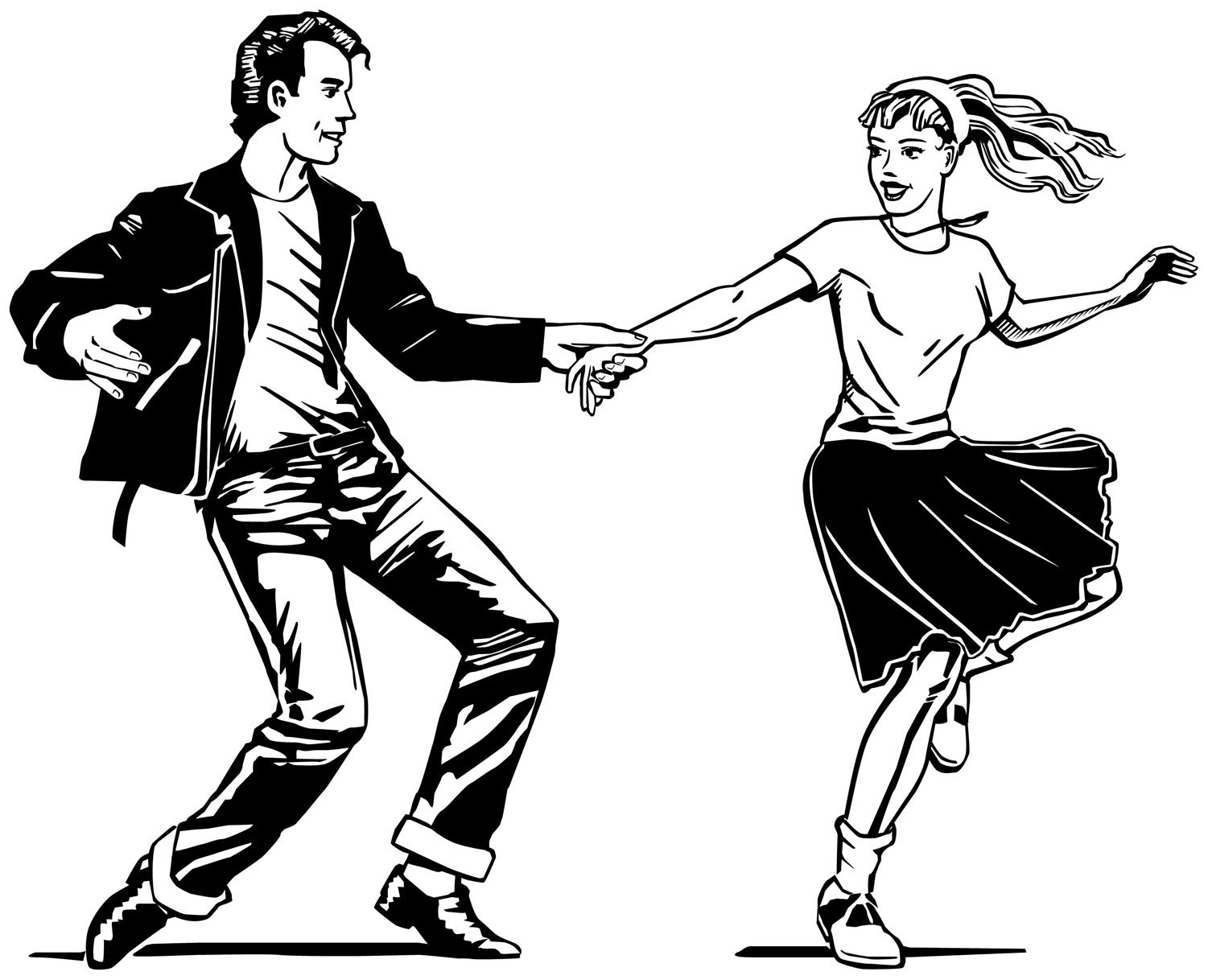
getting on American Bandstand in the 1950’s was huge. For a lot of kids it was like winning the teenage lottery, even though it looked casual on TV.
Here’s what an average day was really like back then:
First off: you didn’t just stroll in.
Early on (before it went national in ’57), it was a local Philly show. Kids lined up hours early, sometimes before school let out. If you weren’t already a “regular,” you stood outside hoping there’d be room. Some kids skipped school. Teachers knew it. Parents pretended not to.
Dick Clark controlled the room.
Clean-cut was the rule. No leather jackets, no wild hair, no suggestive dancing. If you dressed sharp, smiled, and didn’t hog the camera, you had a better shot of being invited back. Dick Clark absolutely noticed who behaved.
Once you were in, it was organized chaos.
The floor looked loose and fun, but it was tightly managed. Producers would:
- Pair boys and girls
- Move kids around for camera angles
- Pull someone aside if they danced too crazy or blocked a regular
You might dance one song… or you might get moved three times in a half hour.
Regulars were a thing — and they were stars.
If you danced well, dressed right, and didn’t embarrass the show, you could become a regular. Those kids became minor celebrities:
- Recognized on the street
- Asked for autographs
- Sometimes even coached new dancers
Total teenage fame, 1950’s-style.
The vibe? Electric but innocent.
Heart pounding. Sweat. Nerves. You’re dancing inches from someone you’d never dare talk to at school. Rock ’n’ roll blasting. Cameras everywhere. But still polite, respectful, very “yes ma’am / no sir.”
And when you got home?
Everyone you knew had seen you.
Family bragged.
Friends teased.
You replayed it in your head for weeks.
Honestly? Compared to today’s Influencer world, it sounds tame — but back then, it was everything. For a working-class kid, especially from a place like Union City or Philly, that dance floor felt like the center of the universe.
You’d sit there glued to the TV, not just for the music but watching the kids. Who could dance. Who looked cool. Who you secretly wished you were. It felt like you were peeking into a whole other world — sharp clothes, confidence, girls and guys mixing without teachers hovering.
For a lot of kids in the ’50’s, that show was how you learned:
- how to dress
- how to move
- what songs mattered
- what “cool” even meant
And the best part? It didn’t feel like grown-ups talking down to you. It was your time of day. Once the homework started, that magic window closed.
View How They make up the dance “The stroll” https://thepastisback.blog/2026/06/13/the-stroll/ See how they did it.
And all that led to this Program in the 1960’s
Where The Action is!
I do recall watching this show when it was based in california in the mid-1960’s, it was the days of the beach boys, and fun in the sun! Every thing was cool, and felt good to be alive and enjoying life!
Where the Action Is was Bandstand’s sun-soaked younger brother who ditched the rules. Same guiding hand from Dick Clark, but a totally different feel. Shot outdoors in California—beaches, pools, amusement parks—it looked like freedom on TV.
- Filmed outside, real locations
- Dancers weren’t regular “stars” — just kids hanging out
- Music felt louder, looser, more current
- Fashion was casual: short skirts, boots, stripes, longer hair
- Felt like: “This is where teens actually want to be.”
It leaned hard into mid-’60s rock, with Paul Revere & the Raiders practically living on the show.
American Bandstand taught America how teens behaved.
Where the Action Is showed America how teens wanted to live.
Bandstand was the foundation.
Where the Action Is was the moment things finally let loose.!